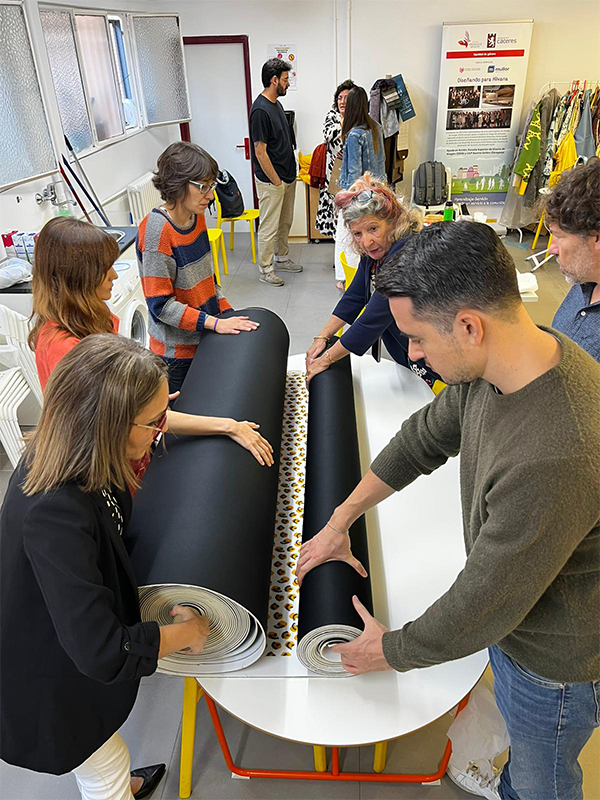
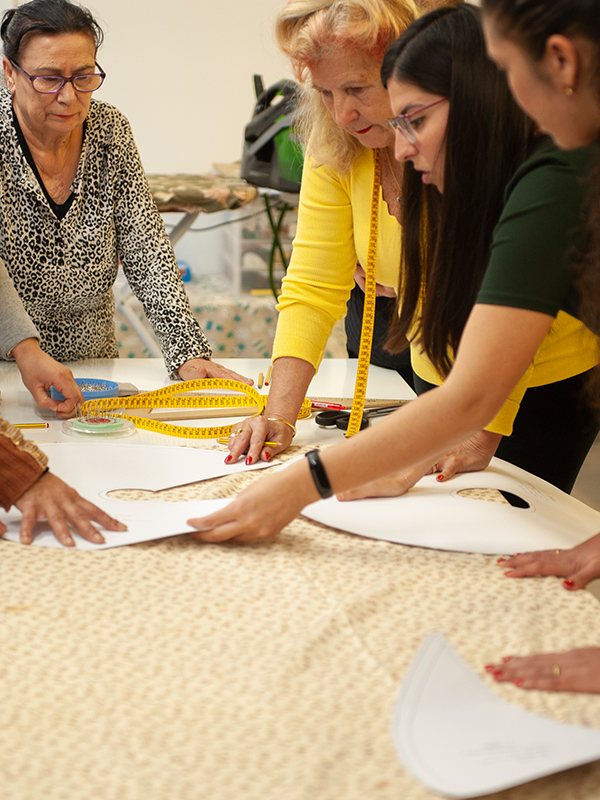
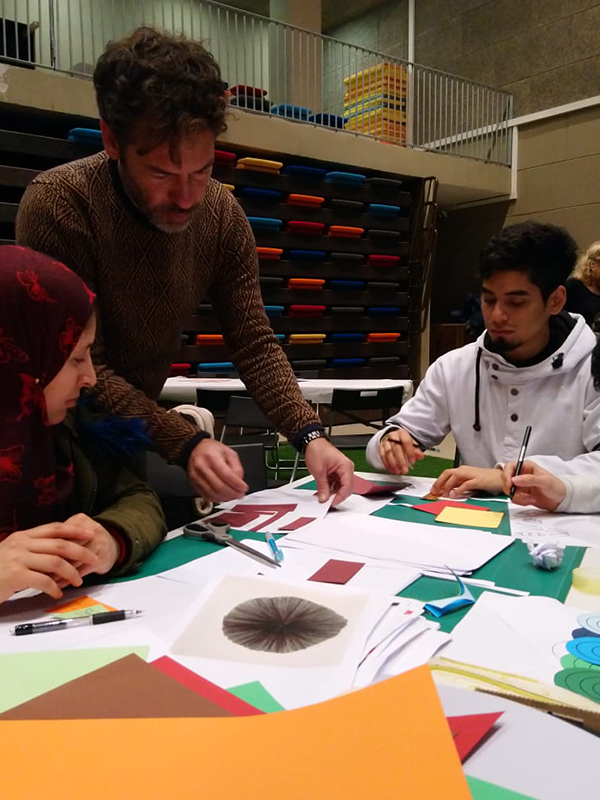
It was not a question of observing various cultures from the outside and formally interpreting them, but of creating a space in which the members of the collective themselves could actively participate in the creation of the designs.
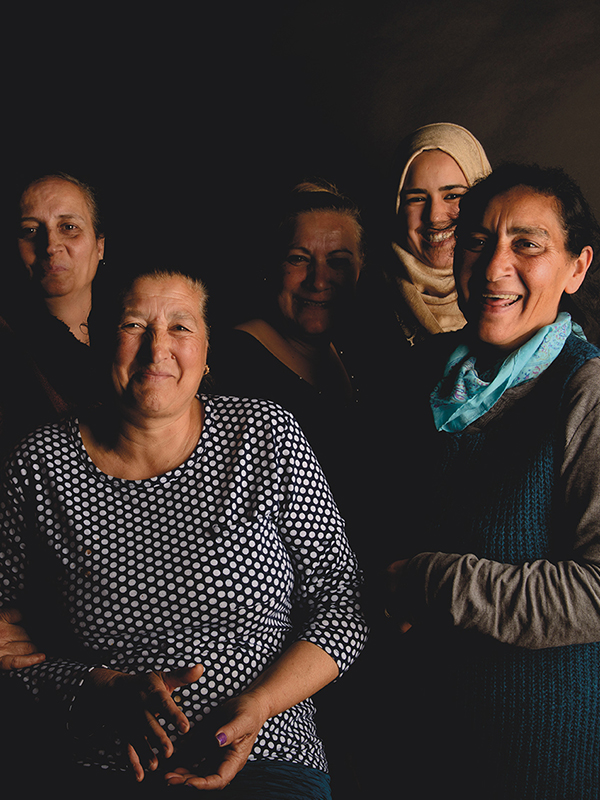
Hilvana is a collective formed in 2017 by mothers from diverse cultural backgrounds whose children attend the Ramiro Soláns (in the Oliver neighbourhood of Zaragoza) primary school, in collaboration with Ayuda en Acción and the San Ezequiel Moreno Foundation. Against a backdrop of social circumstances in which a significant proportion of the pupil body finds itself in a vulnerable situation, the school recognised that families could be much more than mere supporters of school life: they could become key players and the driving force behind a community.
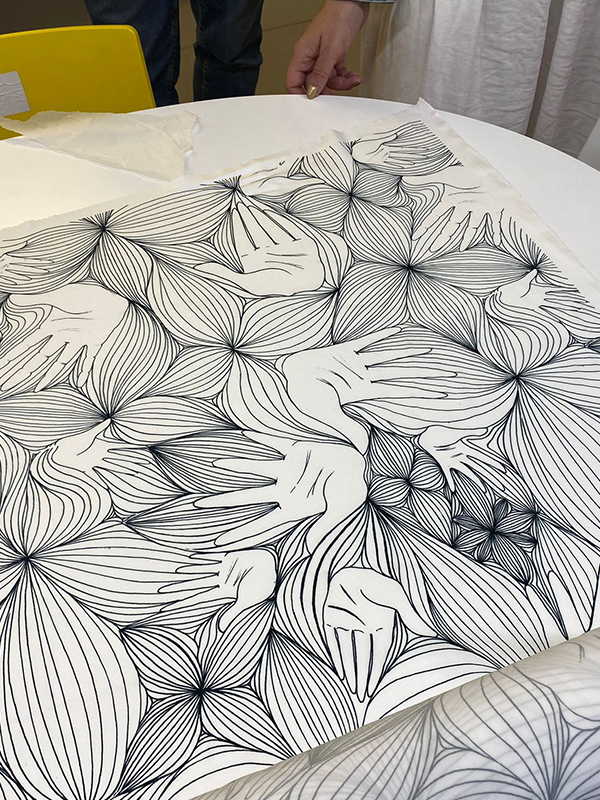
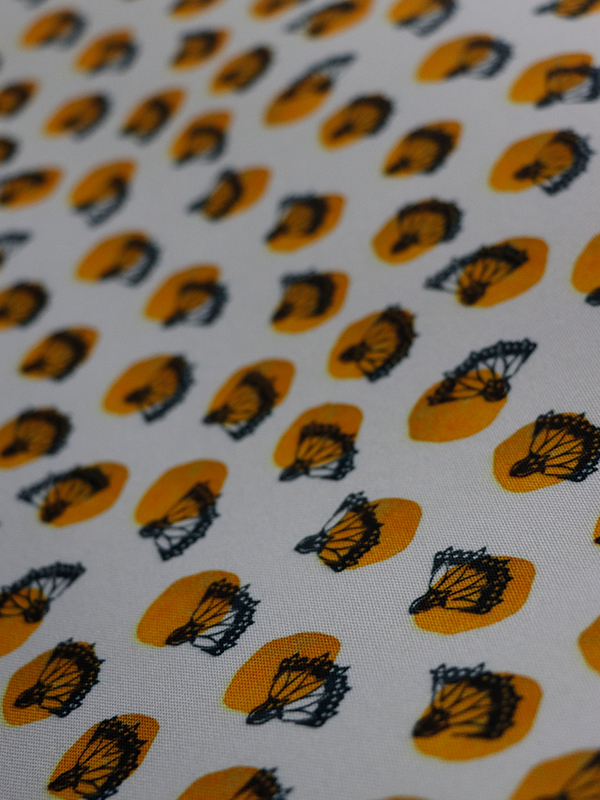
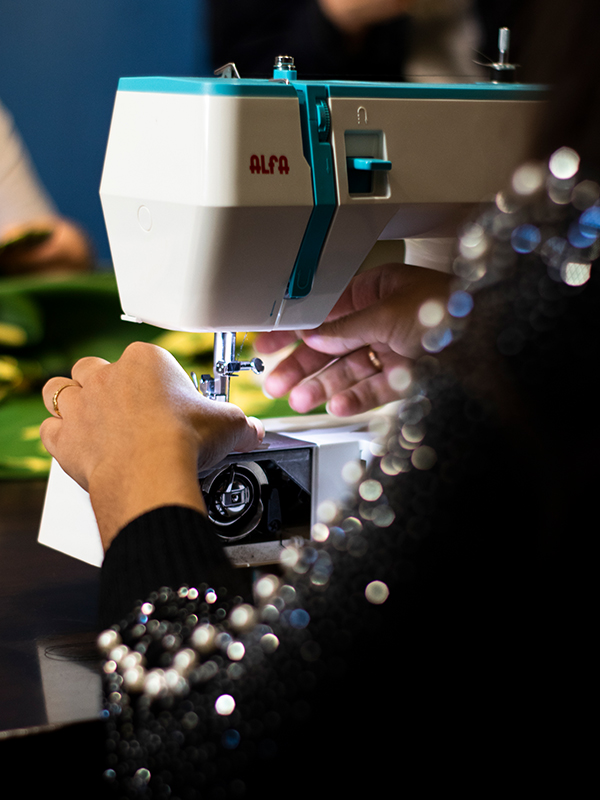
This is how Hilvana began to take shape, as a meeting place for women, most of whom come from sub-Saharan African and Moroccan communities, as well as from the Roma community. The process was based on a fundamental premise: not to design for Hilvana, but with Hilvana. It was not a question of observing various cultures from the outside and formally interpreting them, but of creating a space in which the members of the collective themselves could actively participate in the creation of the designs. The result was a collection of graphic motifs which were subsequently developed technically as patterns for printing onto different fabrics. Using these fabrics, they produce items—tote bags, key rings, toiletries bags and other objects—which, once made, are sold by the collective itself.
The prints and products are, therefore, the visible part of a much broader project. Behind every motif lies a conversation, and behind every object, a process of exchange. And it is precisely there that the true meaning of this experience lies: in having created, through design, a shared space from which to get to know one another, recognise one another and create together. This project won the Service-Learning Award in the gender equality category in 2020.