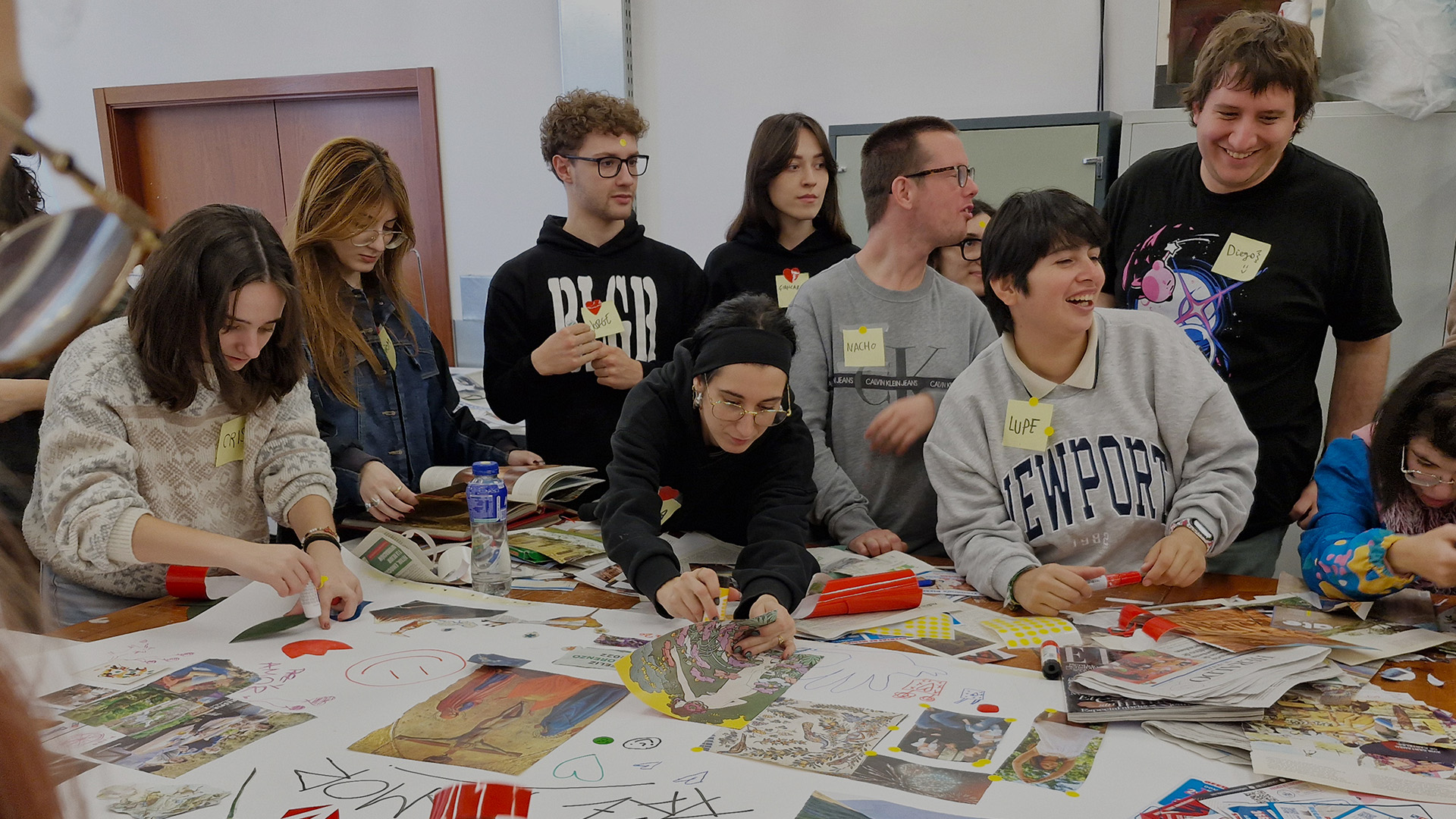
This DESIS Cluster focuses on social design educational interventions, bringing together students and people from the margins, in different contexts, distant from their normal sphere of interactions.
Founded in 2023 by Cecilia Casas Romero (ESDA DESIS Lab, Spain) and Dr Francesco Mazzarella (UAL DESIS Lab, UK), Design from the Margins is a DESIS Cluster that explores how social design education can act as a catalyst for positive change by bringing together students and marginalised communities (including prisoners, refugees, people with disabilities, those experiencing homelessness, etc.) to co-create social transformation. The Cluster takes an asset-based approach, shifting the focus from deficit to potential. It challenges conventional narratives of marginality by recognising the creative, collaborative, and innovative capacities that arise from the margins, and reframes design education as a tool for social justice, inclusion, and resilience.
The Cluster aims to:
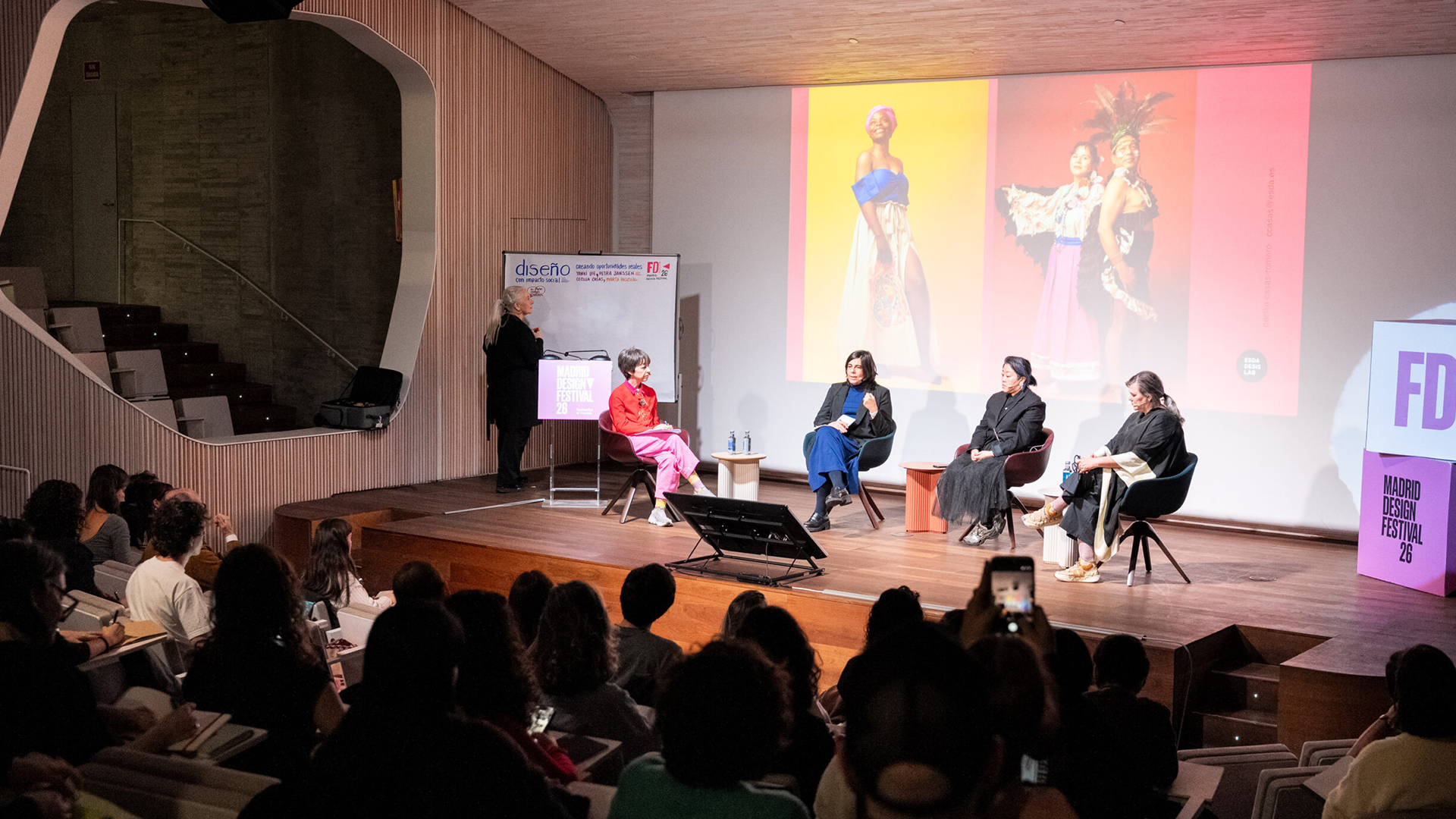
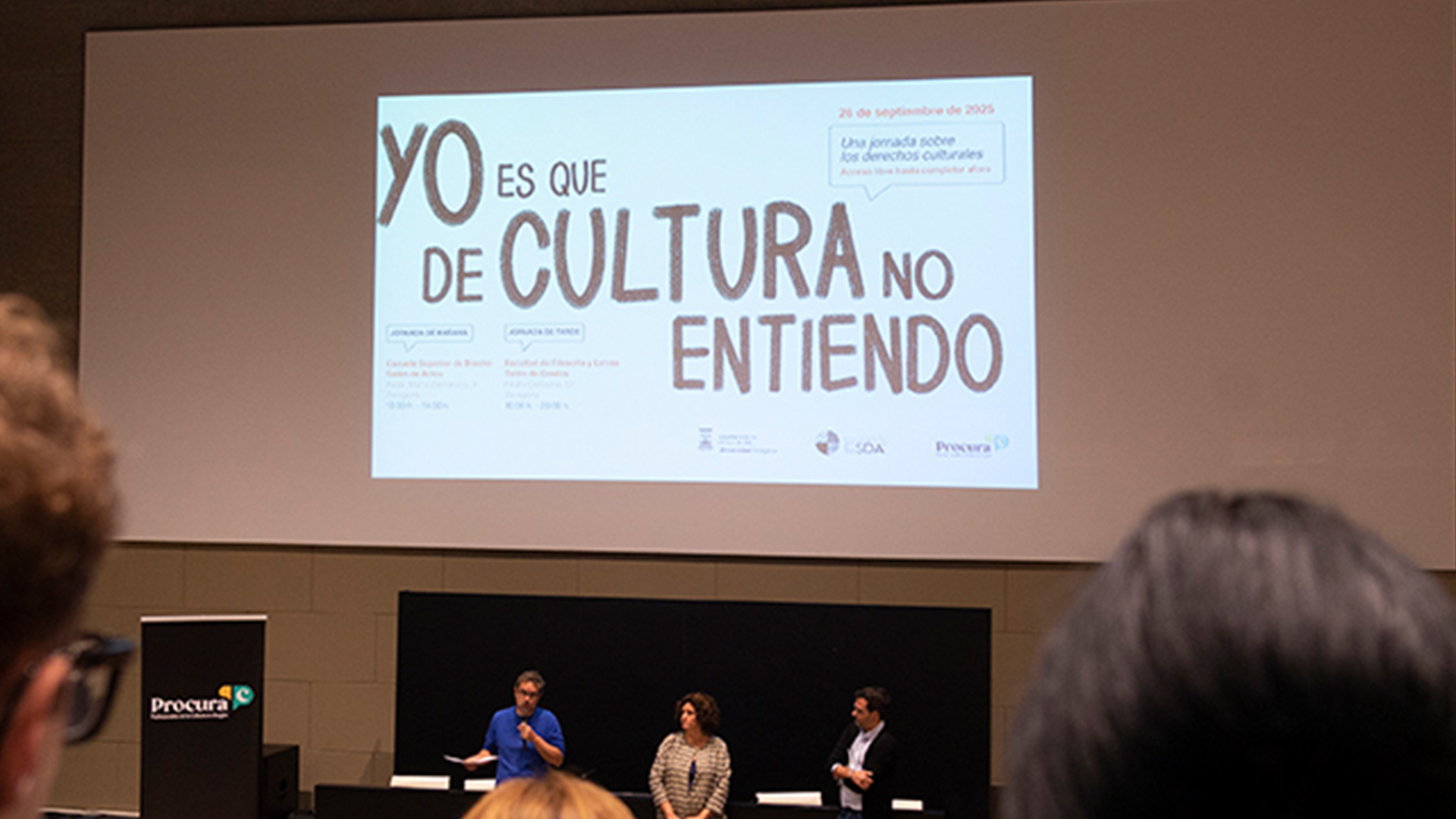
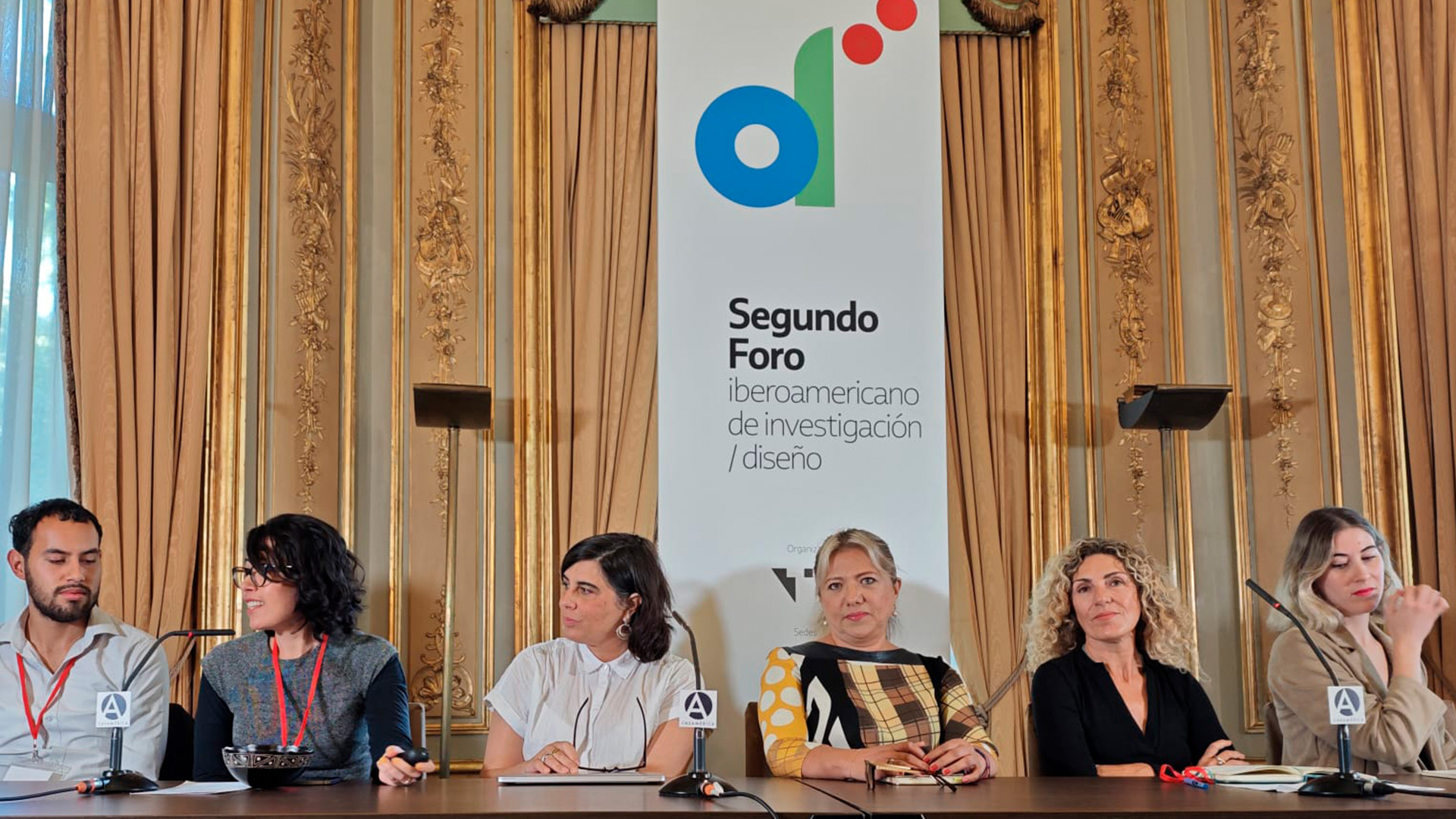
Since its inception, the Cluster has convened regular online meetings (including “Reframing Vulnerability,” “Being Caught in the Crossfire,” and “Strategies to Avoid Parachuting”) and annual in-person gatherings at the ESDA Social Design Days in Zaragoza. These forums provide safe spaces for discussion, reflection, and collaboration.
Cluster activities include:
The following themes emerge from the case studies and activities of this Cluster:
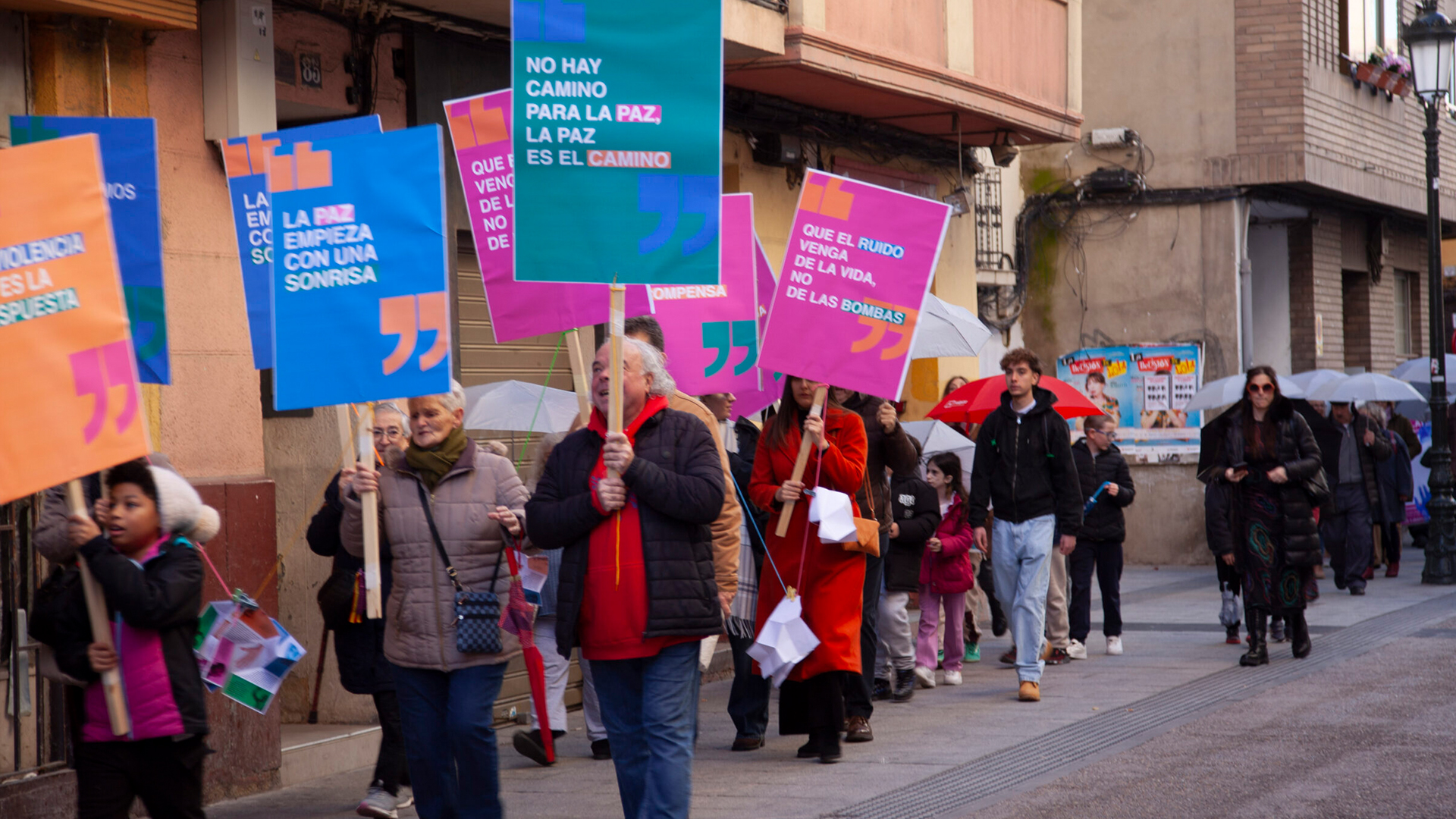
The Cluster highlights the transformative power of design education to foster mutual learning and social innovation from the margins. Impacts range from enhanced wellbeing, empowerment, safety, community resilience, socio-economic integration, entrepreneurship, sustainability, place-making, and contribution to peace.
Key challenges include navigating power dynamics, sustaining long-term engagement, and ensuring that co-created outcomes have lasting relevance for communities. Yet, these challenges also generate valuable learnings about ethical collaboration, co-ownership of design processes, and the role of design schools in shaping a just transition toward more equitable, inclusive, and sustainable futures.